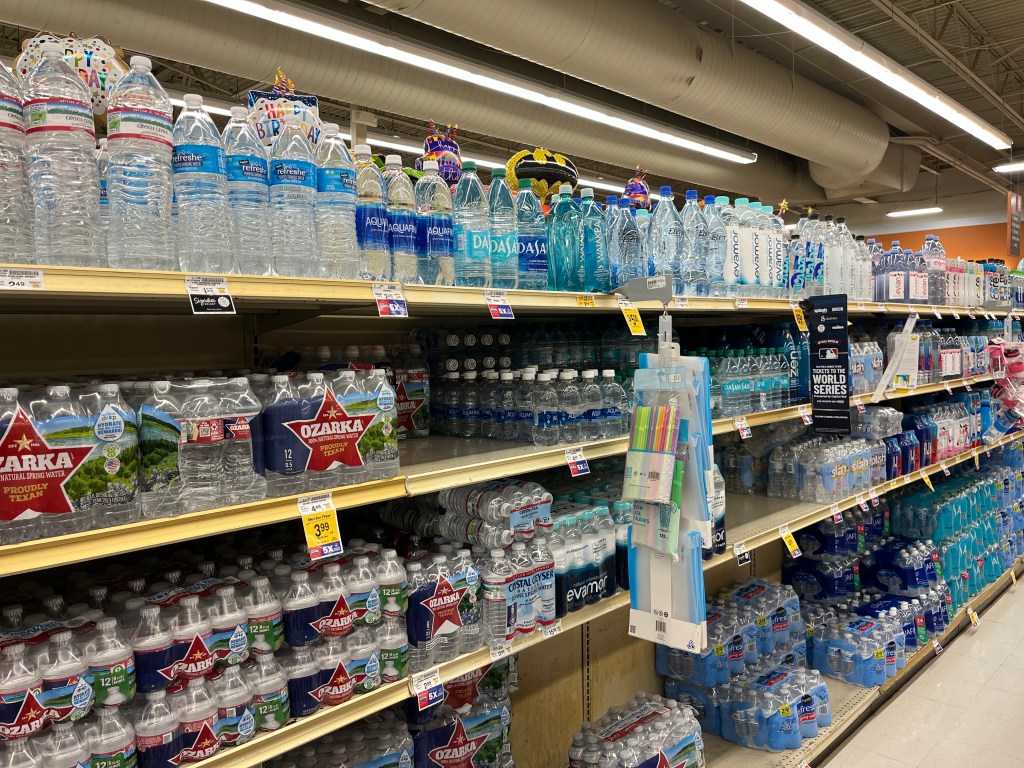
We all have that one friend or family member that is obsessed with researching something for days before making a decision–becoming a veritable expert on it. Plane tickets, the right kind of vacuum, which neighborhood to live in, and other things. This person spends what feels like an almost unhealthy amount of time cycling between reading reviews, comparing prices, getting opinions from people they know, and back to reading reviews again.
You know on one hand you should probably have an intervention for them…but on the other, you remember you need to get cheap tickets to that conference next week and this person is the one to ask. This person is, of course, me.

I’ve researched many things. I had plane tickets down to an art; I could get tickets at low costs with only two weeks’ notice. I knew how to get the best appliance–and usually used–at a nice price. The problem is that it ate up hours of time to do so, not to mention the sanity. But I will say that I have found some interesting things along the way.
Like the time I dove into the strange but important world of water quality.
I heard from someone at one point that they had upgraded to a Reverse Osmosis (RO) system for their home for better quality water and tea. At the time I thought it was a strange and expensive way to get water for your tea. I knew at the time that tap water has chlorine and messes with the taste, but certainly you could get quality water from a filter pitcher or bottled water, right?
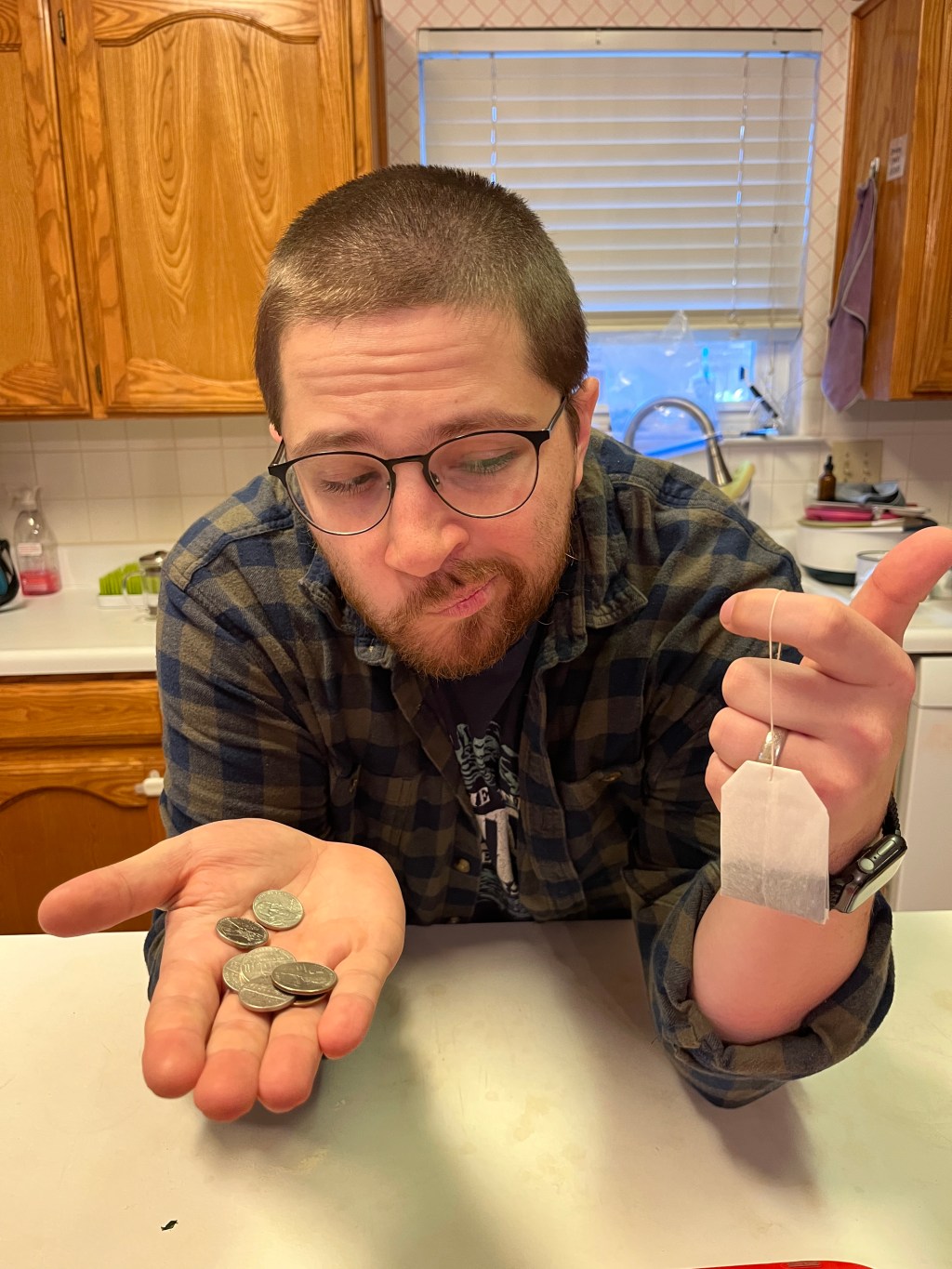
That is what landed me 12 browser tabs deep into water quality differences. I spent a good deal of time reading the blog posts, consumer reports, reddit posts, you name it. Eventually I realized, however, that buying cases of water regularly was unsustainable (I say as I sip from my Topo Chico bottle).
What I did learn, though, was that just as teas from different regions and processes result in distinct flavors, the type of water used for making that tea also affects the taste. In a recent conversation with a friend, we discussed why he is currently buying bottled water from a local Japanese market for his high grade Gyokuro. The water is very soft and works well for the tea. However, when I try to make some of my favorite roasted wuyi oolongs with soft water, it turns out very muted and flavorless. So, it does seem to matter what tea as well as what water you use.
I bought probably 8 different bottled waters as well as using my tap and my filter at the time. After trying all of them over a few days, I was shocked to see how different the tastes were. I was also surprised to find that certain teas I didn’t like before, I really enjoyed and vice versa.
Some waters seemed to bring out more of the bitter notes in the teas and others added sweetness. Distilled water was probably my least favorite as it made each tea really flat and flavorless. I found that my sweet spot was water that had some minerals in the water without being the hard tap water found here in Dallas. The minerals seem to interact with the tea bringing out the flavors we want. Flavored tea seems to experience less of a difference between waters but still noticeable, probably because the oils from the added flavors don’t need any help.
Some of you reading right now are either worried or rolling your eyes. I’ll grant that this can seem like the placebo effect from studying too hard and seeing a lot of marketing. That is a fair point, and I won’t argue that some of that may be going on. However, in a few blind tastings I did with my wife on a tea she’s had before (though not a tea drinker normally), she noted the difference between the tap water and the filtered water when I made the tea. In fact, the difference was obvious not only in the tea but also in her coffee (I did get a complaint for running her morning cup before work).
This theory is also supported by Lu Yu in ancient China. Lu Yu was a respected scholar and tea master who wrote The Classic of Tea in roughly 760 BC. While the whole book is an interesting read, there is a specific section in which he advocates that tea must be made using natural spring water from the local mountain the tea is from. Though we probably aren’t lucky enough to have such a privilege, it does seem to indicate that water quality does matter when making tea.

I’m not saying you should go on a quest for the source water for the tea you enjoy (though if you do, let me know how that goes). But making sure you have consistent water quality for your teas is important. Because quality changes from region to region, making sure you either have a good filter or good bottled option makes the difference on making consistent tea. Now if you’ll excuse me, I need to go open 13 browser tabs on how to clean my water filters.
Happy steeping.
How You Brewin’
Water Options I’ve Tried
Below are some options I’ve tried that you can experiment with depending on what’s available in your region. With the exception of my current filter from Berkey, I’m not going to make recommendations. That way you can form your own opinion.
- Fiji
- Mountain Spring
- Ozarka
- Zero Water Filter
- Britta Water Filter
- Dallas Tap Water (3 locations)
- Starbucks Filtered Water
- Berkey Water Filter (This is my current filter at home, and I love it)
- Distilled Water (store brand)
- Asahi Water
- Crazy Water (version 2 and 4)
- Icelandic




 Sean the Tea Guy
Leave a comment