
If it’s your first time walking into a tea shop, more than likely you will find a wall lined with anywhere from 50-600 tea tins. I feel overwhelmed just writing it. Very quickly you find out there are more teas out there than just Earl Grey and Masala Chai.
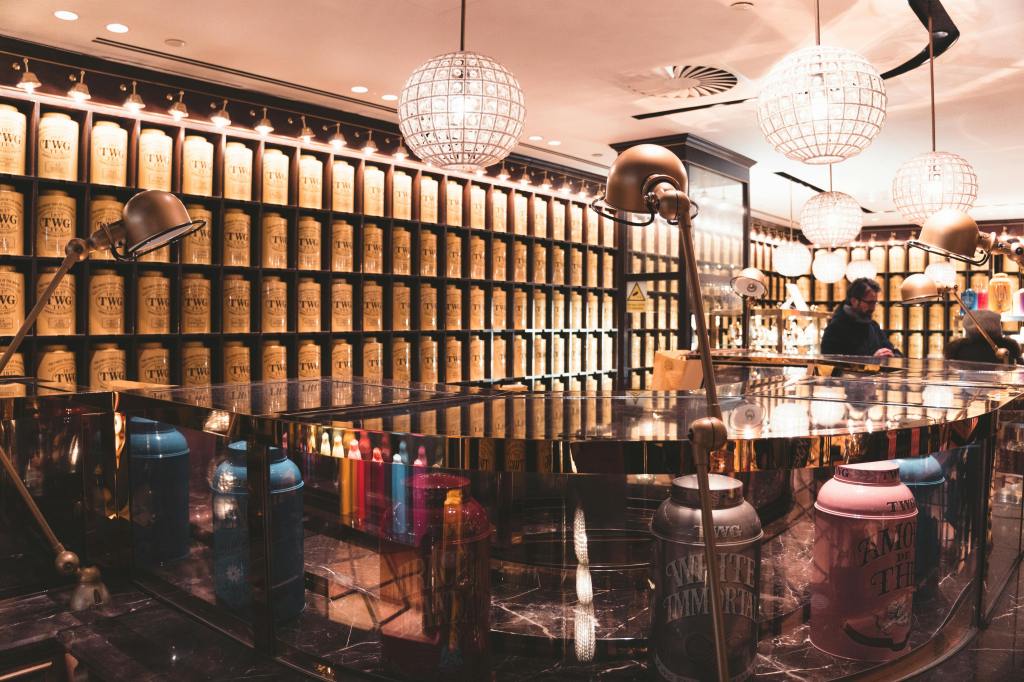
There is an effect on the human psyche that causes us to have a harder time choosing where there are more options available to us. If I ask you “Do you want some tea?” this is a fairly simple yes or no question. But if I said, “What kind of tea do you want?” this will most likely cause you to take longer.
Choosing what teas to try can feel like a hard choice. After all, you are spending hard earned money on this new hobby. Having more choices gives you the impression that you’re missing out by picking one and not the rest.
Here are some good questions to ask yourself —or a friendly employee— when narrowing your options down.
Why do you want to drink tea?
There are many reasons people look for tea. Some people are looking for health benefits provided by certain teas and tisanes. Others are looking for a replacement to soda, coffee, or alcohol. Others still just like the idea of tea as a hobby. Usually, most people overlap on some of these reasons.
But this will help you specify the type of tea you may be looking for. Someone who wants health benefits will most likely want to find some Japanese green teas or herbal tisanes like basil. But a person looking to replace coffee might be more interested in a heavier black or dark tea as they have fuller body and closer texture to coffee.
Do you want a “flavored” or “unflavored” tea?
This one is usually where debates start on which is “better”. I’m going to shoot that one down and come back to why we are here: how do you get into tea?
This simply means do you want a tea that has flavors added —either dried fruits and flowers or through adding the essential oil of something— or do you want a tea that has a more subtle range of flavors naturally.
Example: Earl Grey is a flavored tea as it is black tea —usually— with oil from the bergamot fruit added to the finished leaf to give that citrus and floral flavor its famous for. A Da Hong Pao —big red robe— oolong has nothing added to it but is known for having rich roasted cherry notes along with minerality coming from the roasting process and the soil is grows in.
People who enjoy flavored teas usually want those specific flavors in their tea, and the tea itself to act more as a texture than a flavor. Flavored black tea has a specific flavor and a full body. Flavored white tea usually has a lighter body along with the added flavor.
People who enjoy an unflavored — or base— tea are looking for the subtle notes found as a result of factors from processing the tea. Roasted, vegetal, cocoa, mineral, spice, and more can be found in base teas for those who prefer a more subtle touch from their teas
Knowing what you like in a flavor is huge. Do you want a lighter tea with fruit? Are you looking for a cozy fall tea with spices and sweetness? Do you want a robust tea with some bitterness to wake you up? Having an idea of what you’re generally interested in helps narrow the field.
Conversely knowing the flavors, you don’t like or are even allergic to helps narrow the field as well. If you know you’re allergic to nuts, you’re obviously going to want to avoid that. But also knowing you don’t like Jasmine but want a floral tea helps you land on florals you will enjoy. Again, this seems basic but having it thought through before shopping helps you avoid paralysis of choice.
Author’s note: Unflavored tea was a title I never cared for because it implied the tea had no flavor. This is why I use the term base tea to refer to teas that have no added flavor.
How much was that tea again?
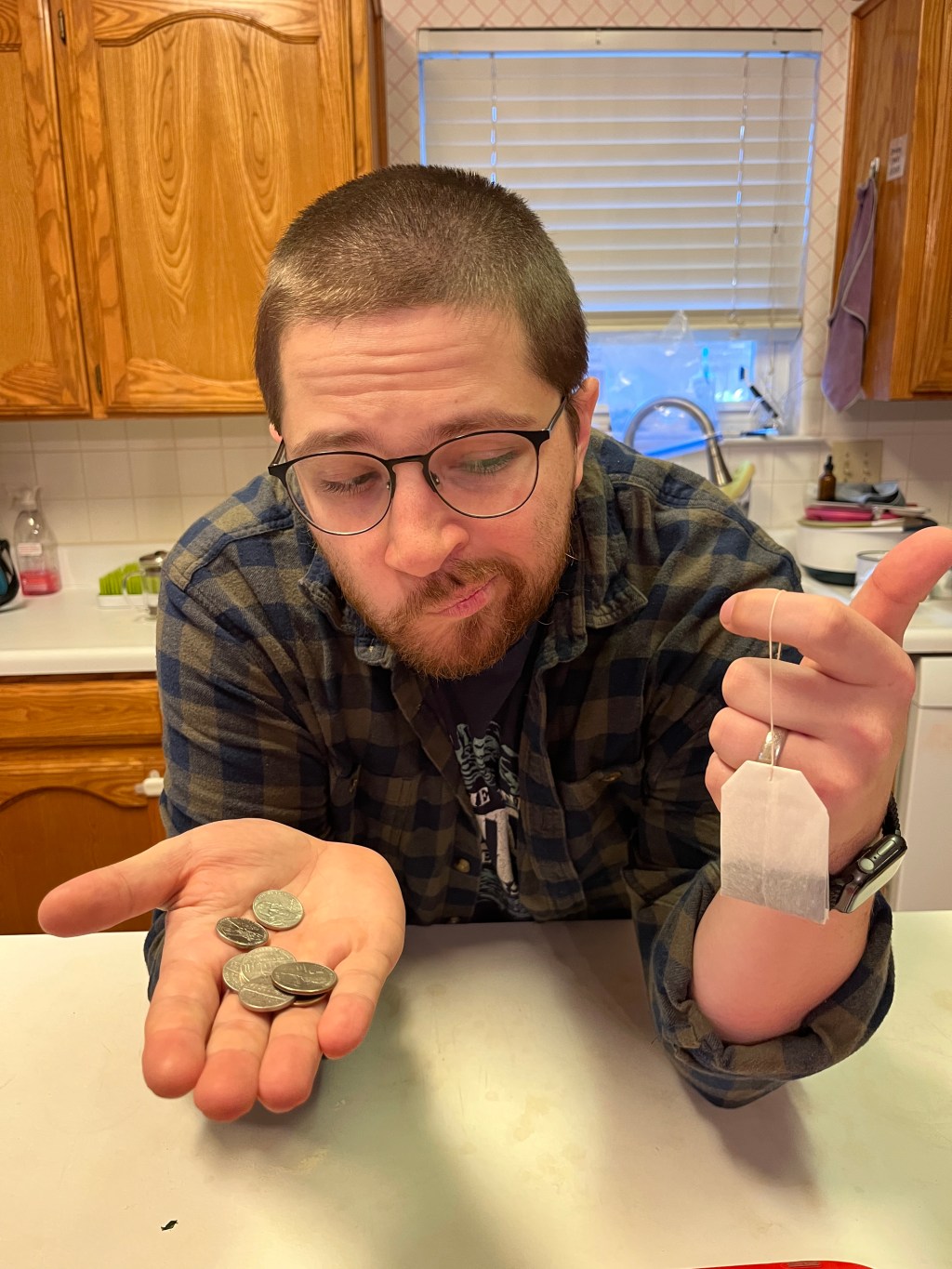
This question arguably should be first in your list as it usually controls what you can and can’t get. If you’re unfamiliar with the price range of teas, it can be quite a shock at first. A good example of the extreme is 20g of Da Hong Pao that sold for $28,000. For reference 20 g of tea will make about 5 cups of tea, coming out to $5,600 per cup.
The good news is the majority of teas on the market won’t force you to rob a bank. But the range of prices varies wildly and for a number of reasons from labor, rarity, over-hype, under-hype, and lots more. leaving people to wonder if the tea they are looking at is worth the price.
Try to figure out what you feel you want to pay per cup of tea. This becomes more personal to your budget but a 16 oz cup of Earl Grey from a well-known coffee drive-through costs about $4. In comparison to that, buying 50 grams of tea for $10 will only cost you $0.50 per cup. See a more detailed breakdown from Camellia Sensis here.
How Much Do I Get?
The other issue is people usually don’t have a reference for tea weights. Most people will go get a pound of coffee and that becomes a standard weight of measure for what a normal amount of tea should be. However, when you make tea, you use a lot less tea than you do coffee.
For example, when I make my wife a pour-over coffee in the morning, I use about 24 grams of coffee. This will make about 14 oz of liquid, which gives you about 16 servings to a pound of coffee. While her coffee is dripping slowly, I measure out 4 grams of tea for the same serving size. This means for the same pound; I get 8 times the amount of servings.
So, try to aim small at first. Ask for some samples but don’t be greedy. as mentioned above, 50 grams (about 2 ounces) will get you enough servings to try a few times without buying too much.
What Tools Do I Need?
So, in its simplest form you need a way to heat water and a vessel to hold the leaves and the water. Gear is a whole separate blog post I may write later. Most people will buy an infuser. This is just a mesh basket that hold the leaves and allow you to remove them after steeping.
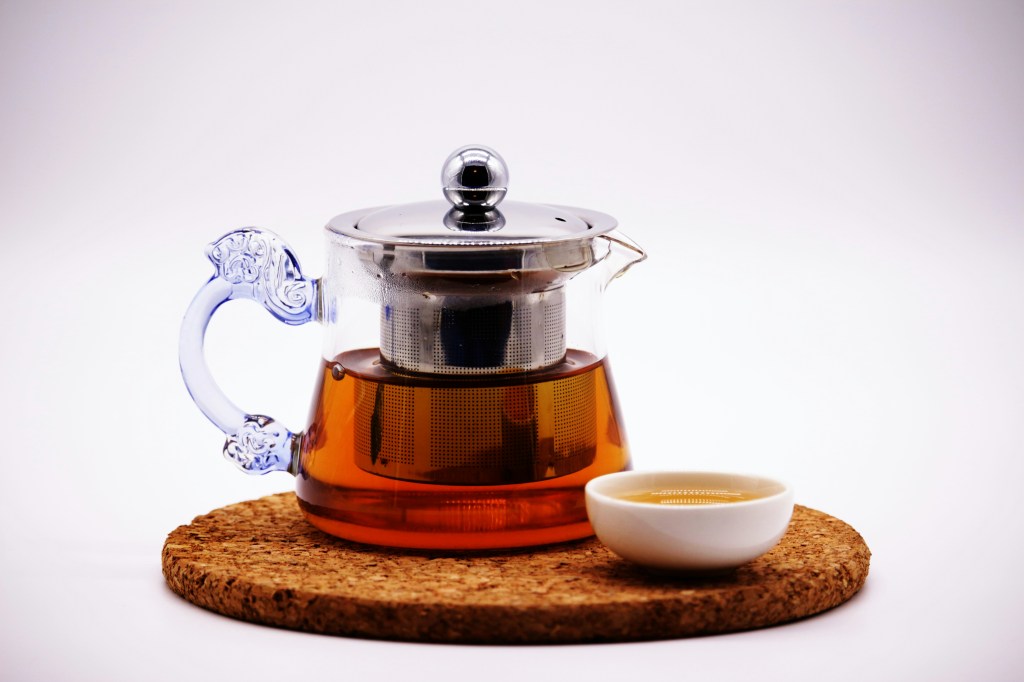
As for water heating, you can either buy a temperature control kettle or a meat thermometer and check water as you heat it on the stove. Thats really all you need to get started.
The only extra note I’ll make is as you steep loose leaf tea, you want as much room for the leaves as possible. If you use a smaller infuser, you won’t get as much out of the leaves and limit the flavor of your tea.
So hopefully that helps get you started on your hunt for new tea and information. But if you have other suggestions for people or questions, please feel free to drop a comment so others can share or I’ll try to answer as best I can.
Happy Steeping.
TLDR What Do I Buy?
This is of course a hard question to answer as everyone will answer the above questions differently. Taste is subjective and so what you like may differ from my perspective. But I can certainly send you away with some suggestions.
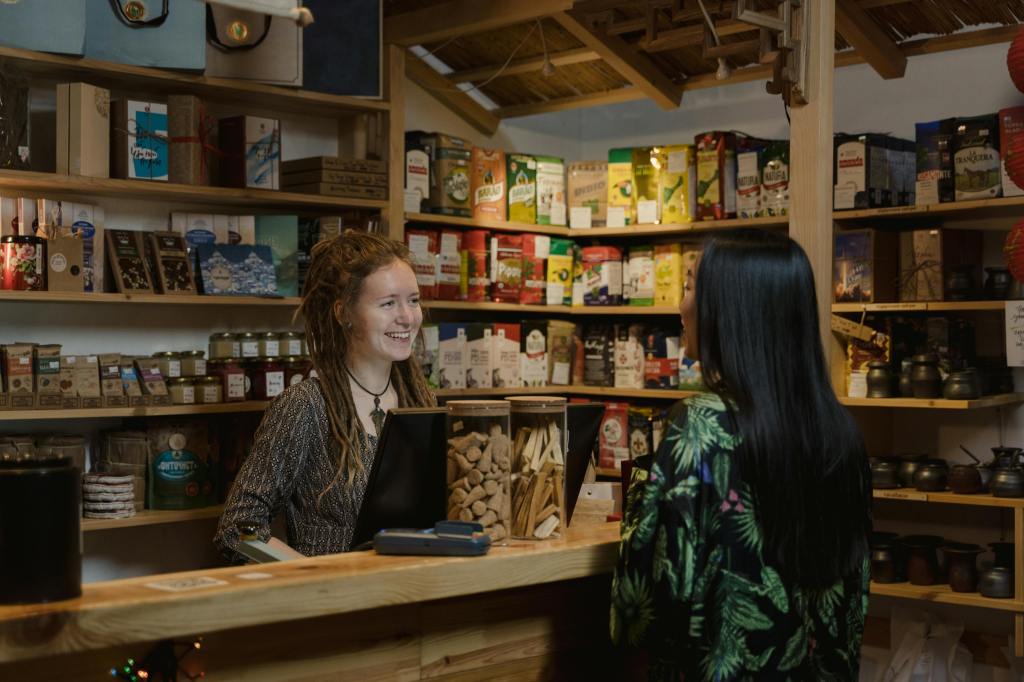
My first recommendation is to try to find a local tea shop that is knowledgeable about what they sell. Going somewhere you can talk to someone is always my preference as a dialog with someone who is knowledgeable will almost always produce a good result as well as a lasting relationship. If all you have are some online stores you found, email them. If you get responses to your questions, then you’re set.
If you need some recommendations on where to go, I have compiled a list of places I recommend with good people to talk to. I am not sponsored by these companies; I just really like them.
Plum Deluxe – This is a wonderful online option for flavored tea. The staff is responsible for creating all the recipes that make the flavored teas. Their mission is to bring you a memorable experience with each sip. They have a subscription box to get you started as well.
Verdant Tea – This smaller company out of Minneapolis has a mission to introduce you to smaller farmers they have a relationship with in China. As suggested these are specialized chinese style teas that are hand processed by these farmers. This allows you to taste traditional and unique teas from places where tea culture was born.
MyTeaPal – This is more of a opportunity to connect to a tea community. Vincent Liu deigned an app to journal and track what teas you’ve made. A great tool for all tea lovers. He also has a subscription box that pairs with community chats through the Discord Server they run. The Discord channel is a great way to ask questions and disucss tea with other tea lovers.
The Cultured Cup – I of course will recommend my previous employer. But though I may have some bias here, the staff is very good at giving you the recommendations you are looking for. Education is a big part of what the owners are interested in imparting to their customers. They have a wide variety of teas and gear, including teas from Mariage Freres of French fame. Also, if you are local, they do open and private tastings.



 Sean the Tea Guy
Leave a comment