What is Your Favourite Tea?
In my time as a tea lover, I have been asked this question more times than I can count. And I have never liked trying to answer it. It has changed over the years from one thing to another. Are we asking what I enjoy drinking most right now? What has been the all-time favourite? What do I enjoy more, cold or hot? It’s a big question.
Especially during my time at The Cultured Cup. There were 200+ teas on the shelf, and some we didn’t have room for. It changed day by day in my own mind, at least. So many choices, and I needed to know them all so I could recommend them to customers based on their wants and preferences.
But if any of my previous co-workers or employers are reading this, they already know the answer and have probably rolled their eyes. Because over my many years of drinking tea in various ways, I will always come back for Nepal Gold Tips.
The Tea
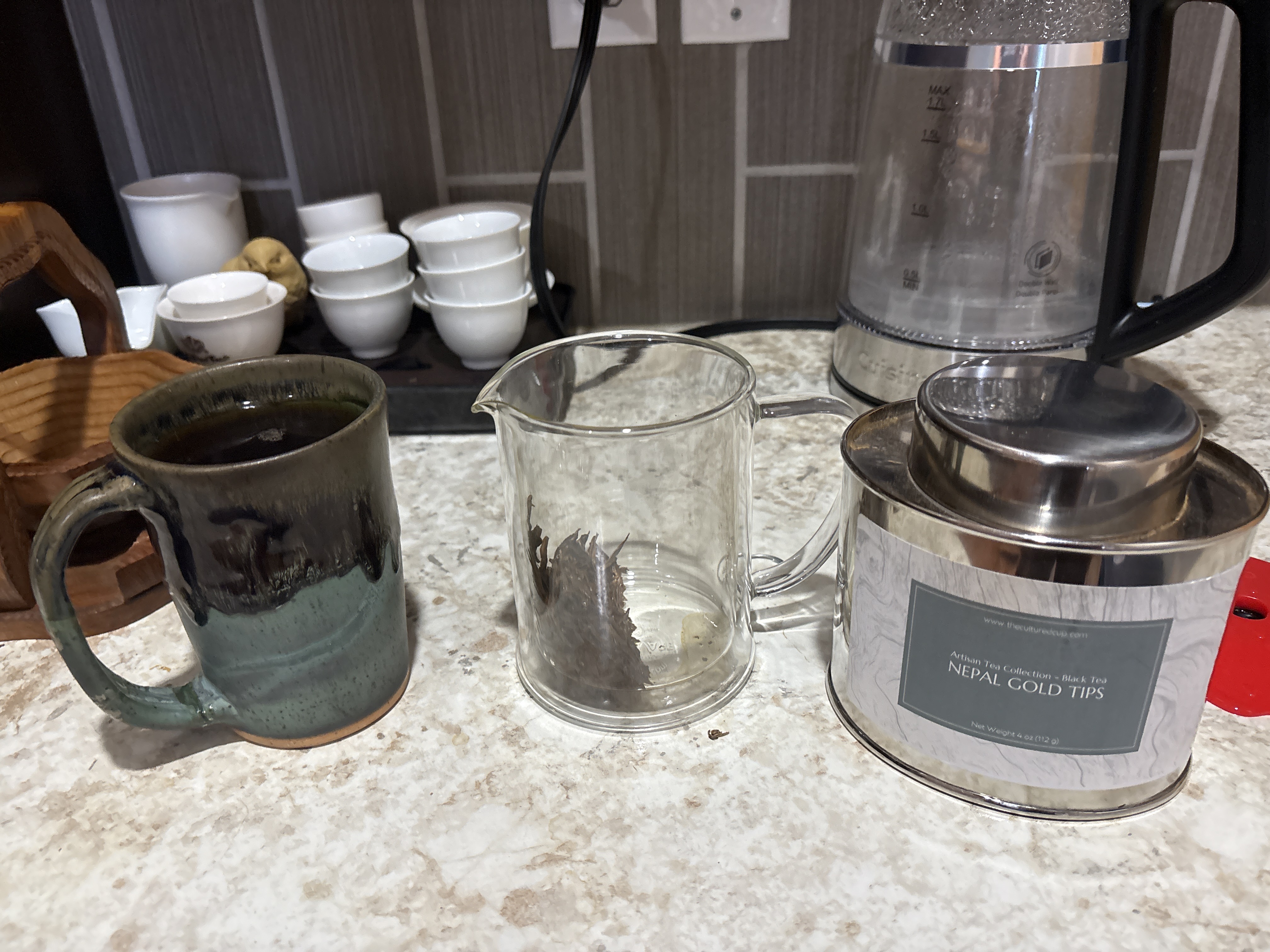
Nepal Gold Tips is a black tea from outside the Ilam region in Nepal. The tea is mainly made from tea leaf buds as the leaf material. This means that the goal when plucking is to focus on just the young, unopened leaves on the tips of the branches. This, of course, is harder than standard plucking, meaning labour costs go up because of the work. But it’s worth it.
Young buds have a more intense concentration of polyphenols, caffeine, catechins, etc. Another unique component is that they are covered in trichomes. These look like fuzzy hairs on the leaf that actually are like a suit of armour on the leaf to protect it as it grows. You can find more helpful information from another respected tea blogger, Nicole Wilson, here.
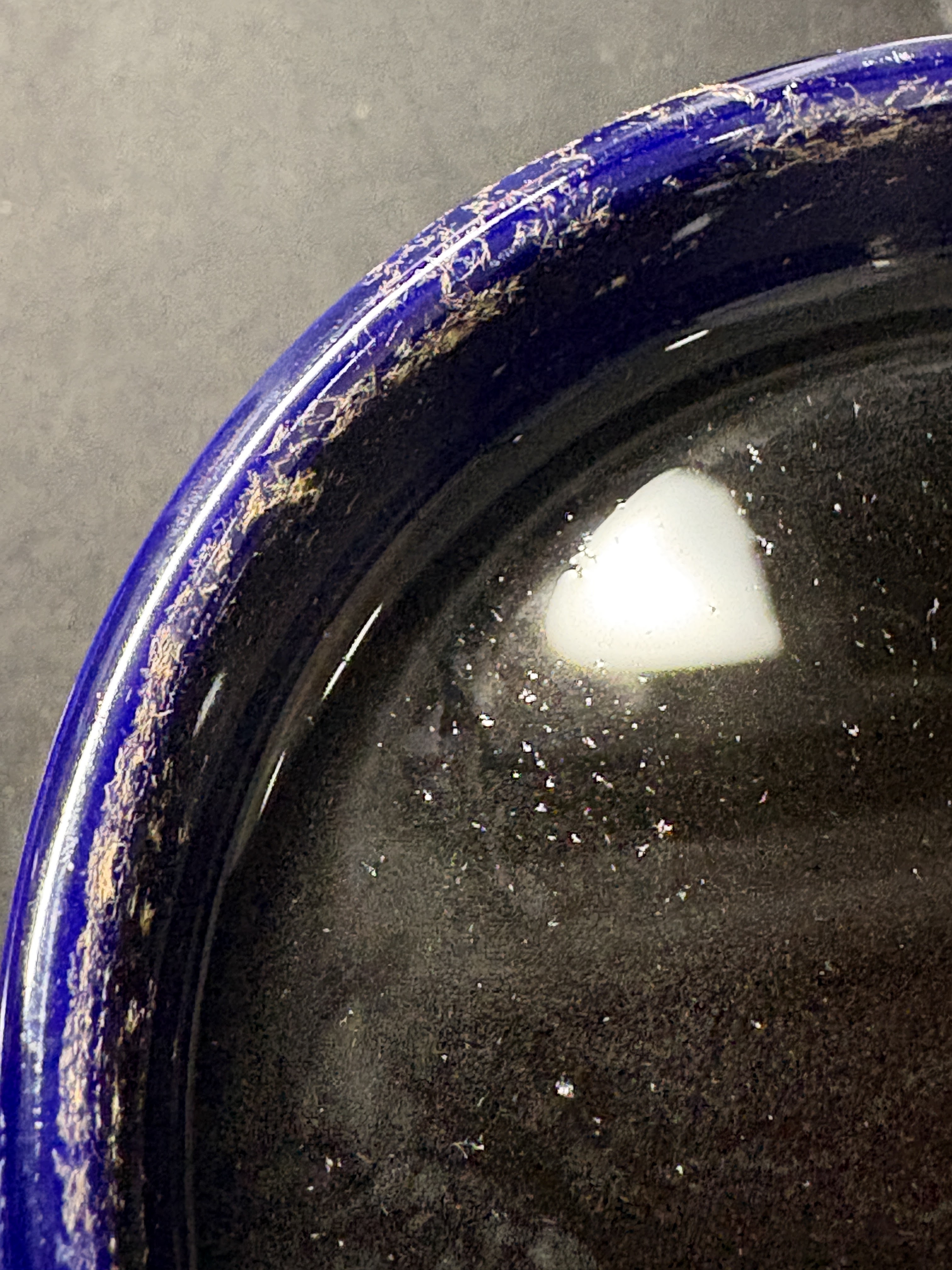
The tricomes in short give a sweetness and richer body to the tea. And the terroir (soil of the region) gives it a natural honey note. So overall, you end up with a full-bodied black tea that has some natural smoked honey notes but no astringent mouth-drying features to it.
The Background
Nepal is becoming a better-known region for tea production, though it used to be that Nepal teas were mixed in with Darjeeling as demand for that region grew. However, some clever people in Nepal have begun to make some really well-crafted teas. In my estimation, innovation on the tea platform is always welcome.
My introduction to this particular tea, however, came early on in my time with The Cultured Cup. Jeni Dodd runs a tea export business based out of her apartment in New York and from the tea Garden outside Illam, Nepal, that she has been a part of for many years now.
Jeni recounts her experience in Nepal in 2015, when the massive 7.8 Earthquake hit. Living through that experience with her Nepali friends showed her the compassion found within the people she was with. This led her to focus on not just promoting tea from Nepal but sharing her passion for it.
My History
Most tea people can remember their first time with a particular tea. I, too, can recount many unique teas from day one. I’ll confess I cannot with this one. However, that is because Nepal Gold Tips had a way of sneaking into my daily tea drinking.
In the onslaught of teas I was becoming used to, tasting it was just another in a long line. But over time, I found myself reaching for it on the shelf more and more. Almost to a point where I needed to be politely reminded that there were other teas to drink and recommend.
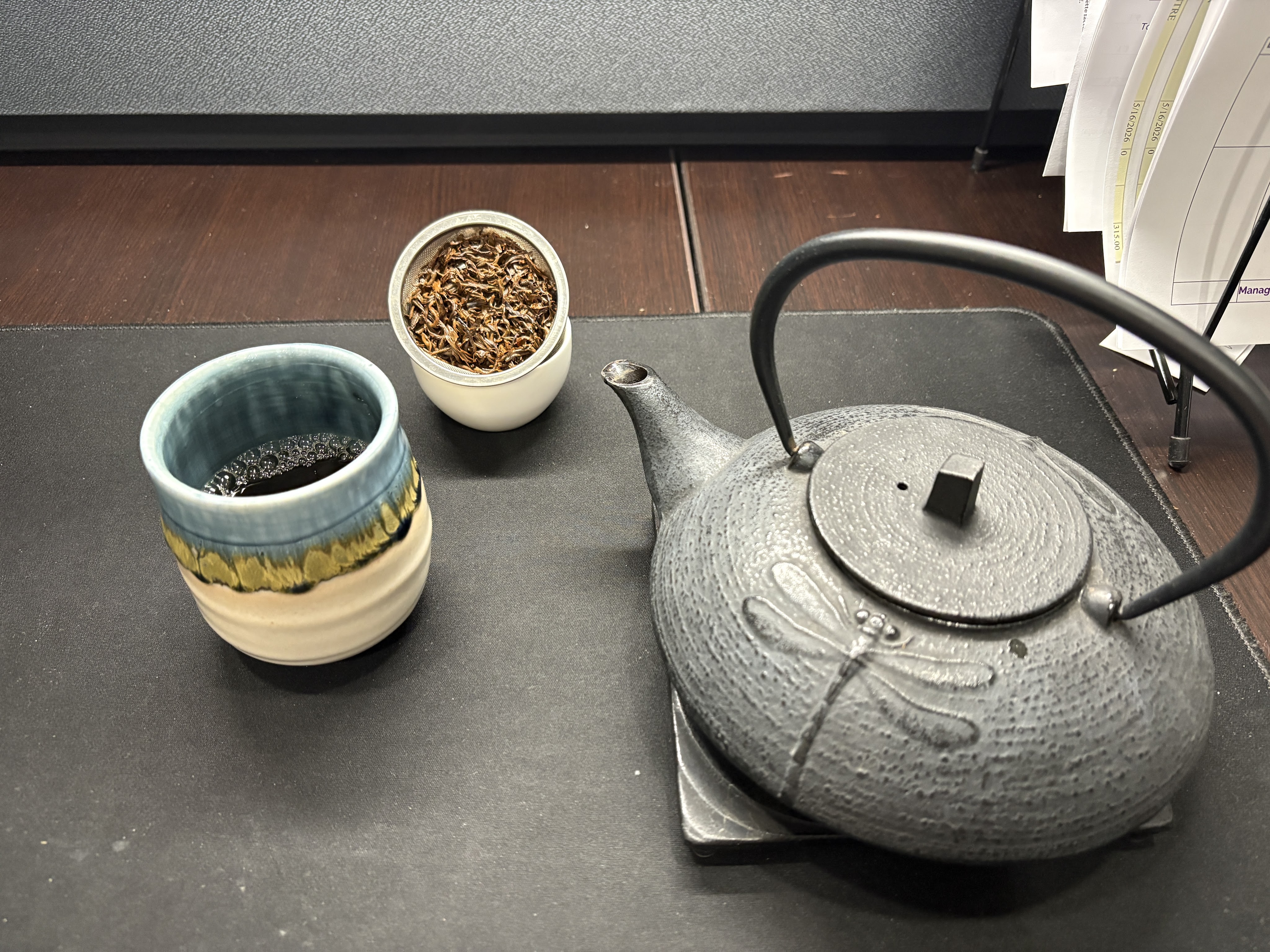
I slowly realized it was everything I wanted in a tea when I wasn’t in the mood for complex tastings. It’s warm, sweet, comforting, and I’ll admit now has memories associated with it too. AND it also makes a fantastic cold-brewed tea as well.
The Experiments
So, at one point, an article came across my email at work on Cold Brewing for the Summer. It was a brutal Texas summer that year, and I was all about anything to cool down, so when I saw an article from Verdant Tea on how and why to Cold Brew, I was eager to experiment.
For those of you who are unaware, cold brewing is very similar to “sun tea,” except instead of steeping in the sun, I’m using cold water and leaving it in the fridge overnight. There are health reasons I chose to go this route, because true sun tea has the potential to grow bacteria and cause issues. Though I’ll admit this isn’t common, and people have been enjoying sun tea longer than I’ve been alive. Working for a tea shop means you have more stringent rules than the general public.
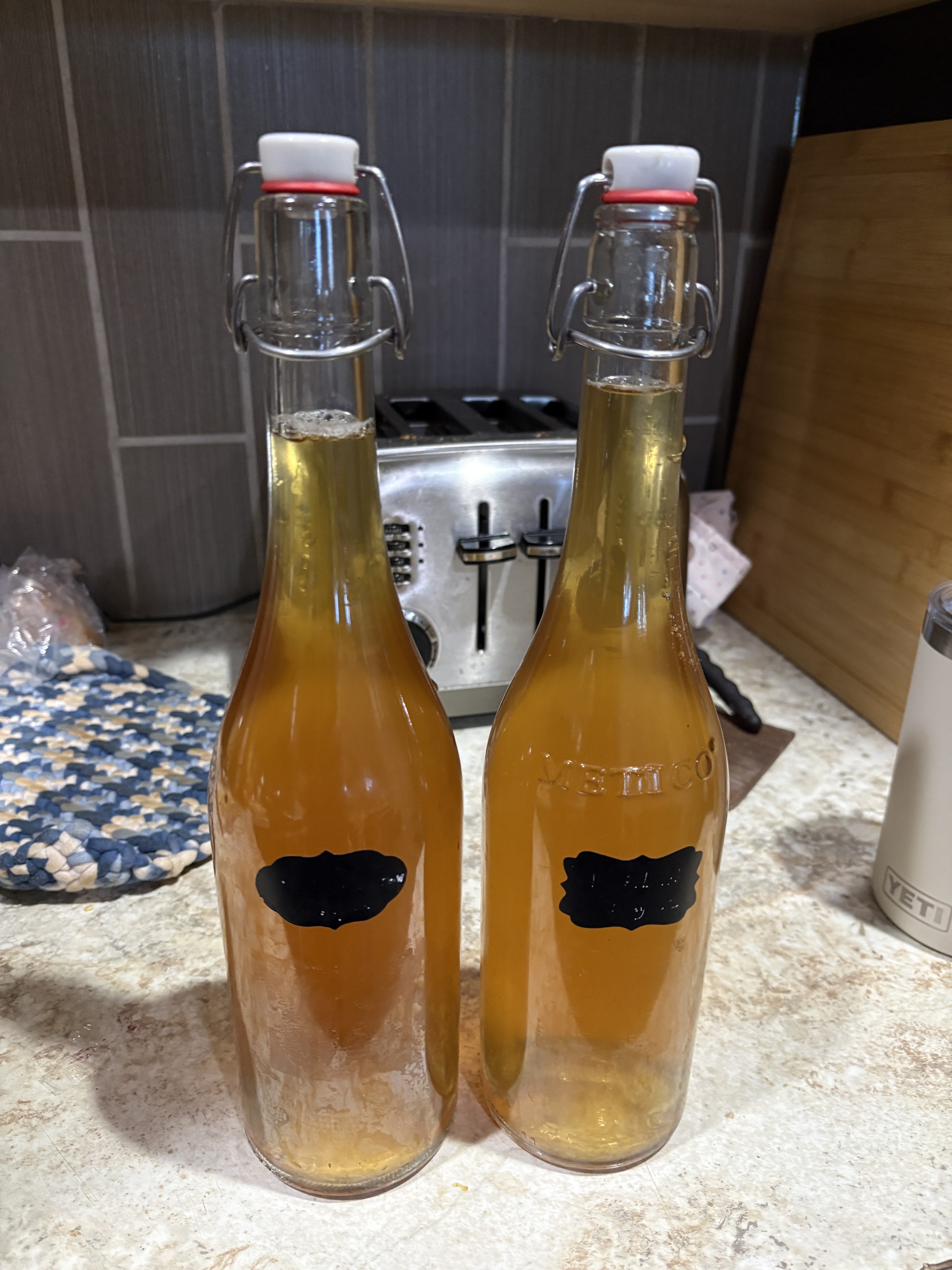
Nepal Gold was among the first few I started with. Only starting with a small amount so as not to waste, I realized quickly that Nepal made a very satisfying cold brew, and I rushed to make a larger batch. My bosses, who are very open to experimentation and adding new ways to enjoy tea, decided that we should start having it at the tea bar for Saturday tastings.
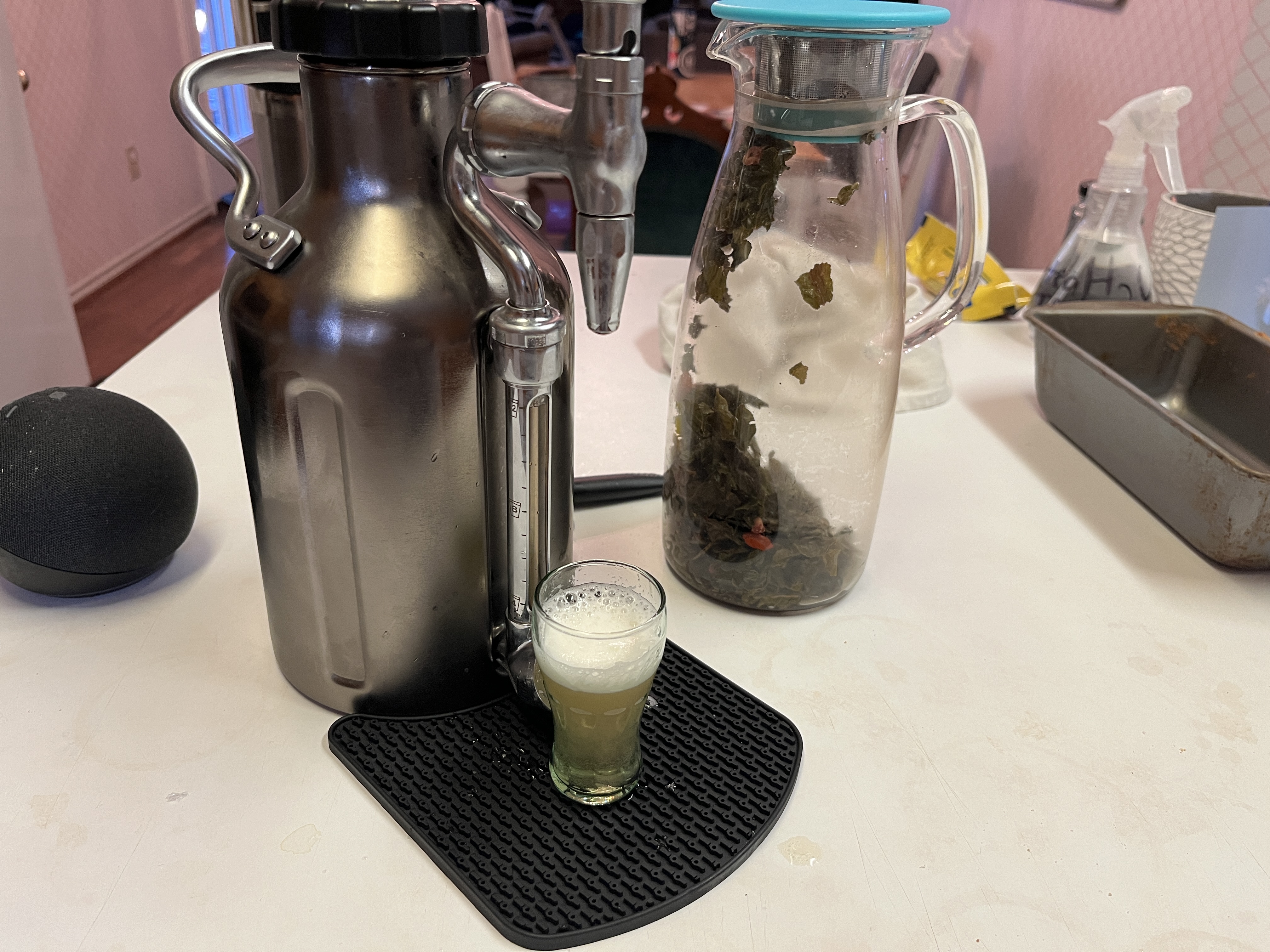
Then, a month later, a customer came in with a weird, small metal keg with a spout. He then proceeds to tell us about how the maker originally made homebrewer kits for beer, but eventually developed a model for nitro cold brew coffee. He then posited that it could be used for tea.
So we gave it a go. And we weren’t disappointed. The gas only intensified the base sweetness in the tea and gave it a refreshing bubbly texture. It was a massive hit for the tasting room. The canisters aren’t cheap, but I’ll make a keg now and again in the summer as a good treat.
The Nostalgia Factor
So it’s only been in the last year or two that I’ve admitted this is my favourite tea. I always wanted to stay neutral at work so I could be better at recommending. I still make sure I’m tasting all kinds of teas and herbs to keep on top of the tea world.
But since I’ve moved outside the tea retail space, I’ve been more comfortable just admitting what my favourites are. Those who’ve read my Snob On a Budget post know I like a full body, roasty, honey, nutty, earthy, or woody profile from my cup. Doesn’t mean I won’t drink other stuff. But I put my tea money mostly towards the comfort cups.
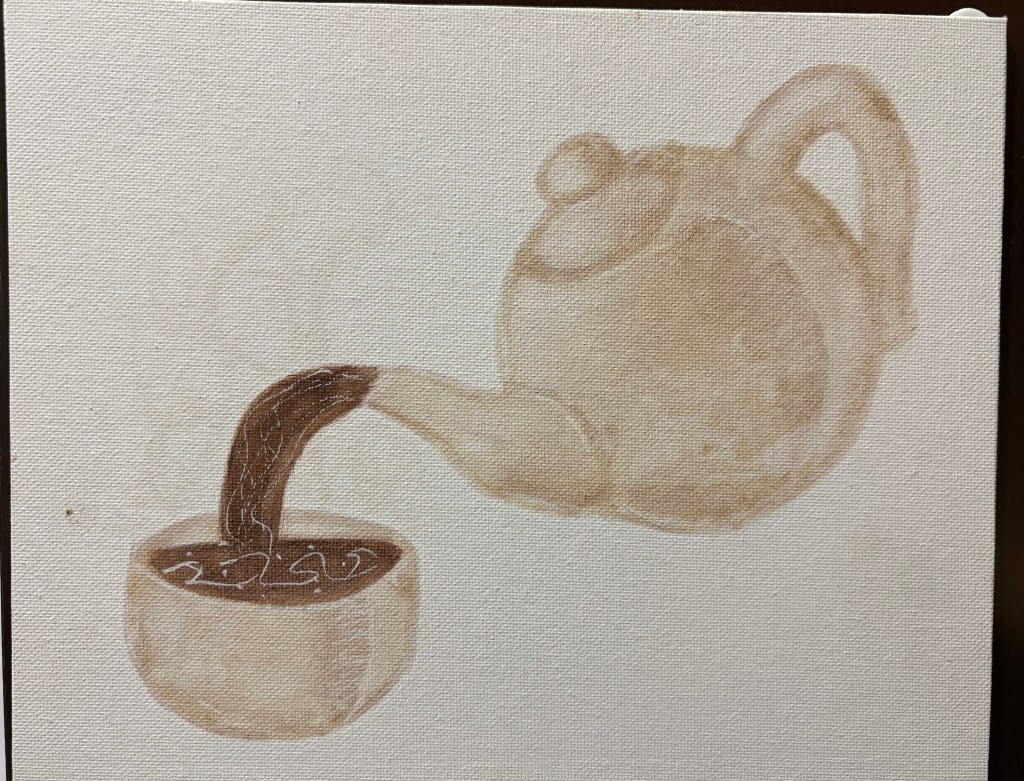
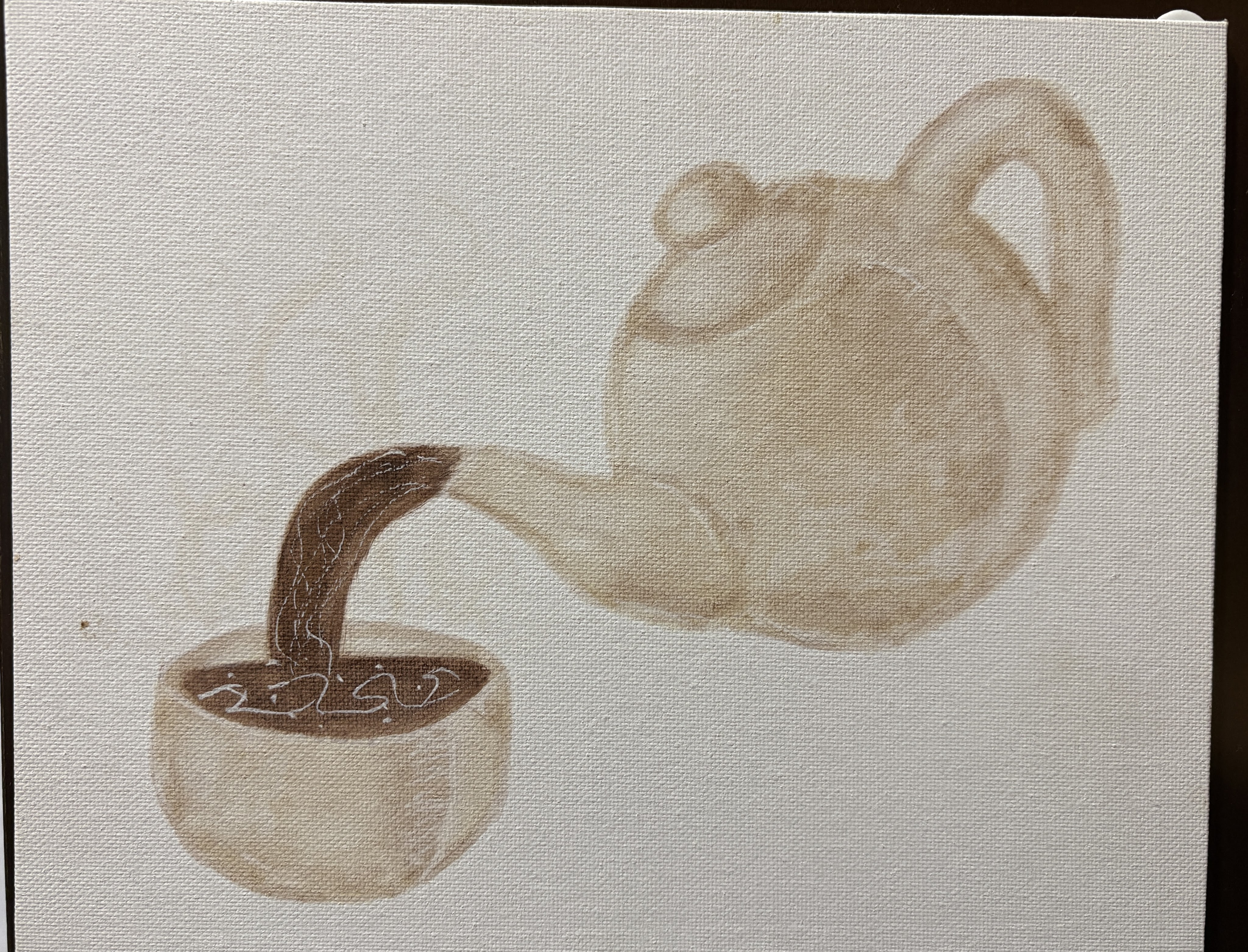
A lot of what goes into my loving Nepal Gold is what I’ve mentioned so far. But I also know that the solidifying factor is nostalgia. Just smelling the aroma of the tea brings a lot of memories of my life during that time, in and out of work. I mean, even this lovely painting of a teapot and cup was made by my wife using an oversteeped pot of Nepal Gold Tips. (P.S. it took 8 hours and did it while a kid was demanding her attention.)
I find that’s important for a lot of people too. If a tea brings back a pleasant memory or time of life, you’re probably more likely to choose that tea. Conversely, some people I know avoid tea only because they have bad memories attached. This isn’t a bad thing. Just something you should be aware of when choosing.
Final Thoughts
Most of my posts are in the thought of helping the growing tea lover and exploring. However, this post is definitely for me. The idea of what a favourite tea is will always wildly vary from taste bud to taste bud. But I feel I’ve made a good argument for Nepal Gold.
Between how versatile it is in how it can be made, its balanced nature as a tea, and my ties to it personally, maybe you’re convinced to give it a try. If you’re in Dallas, swing by The Cultured Cup and let them know I sent you. If you happen to be in New York, see if you can give Jeni a visit and hear her wonderful story with Nepal tea growers.
Now I’m gonna go crack open my cold brew bottle and pour it into a fancy glass to enjoy on my porch. Go enjoy a cup for me.
Happy Steeping!
How You Brewin’
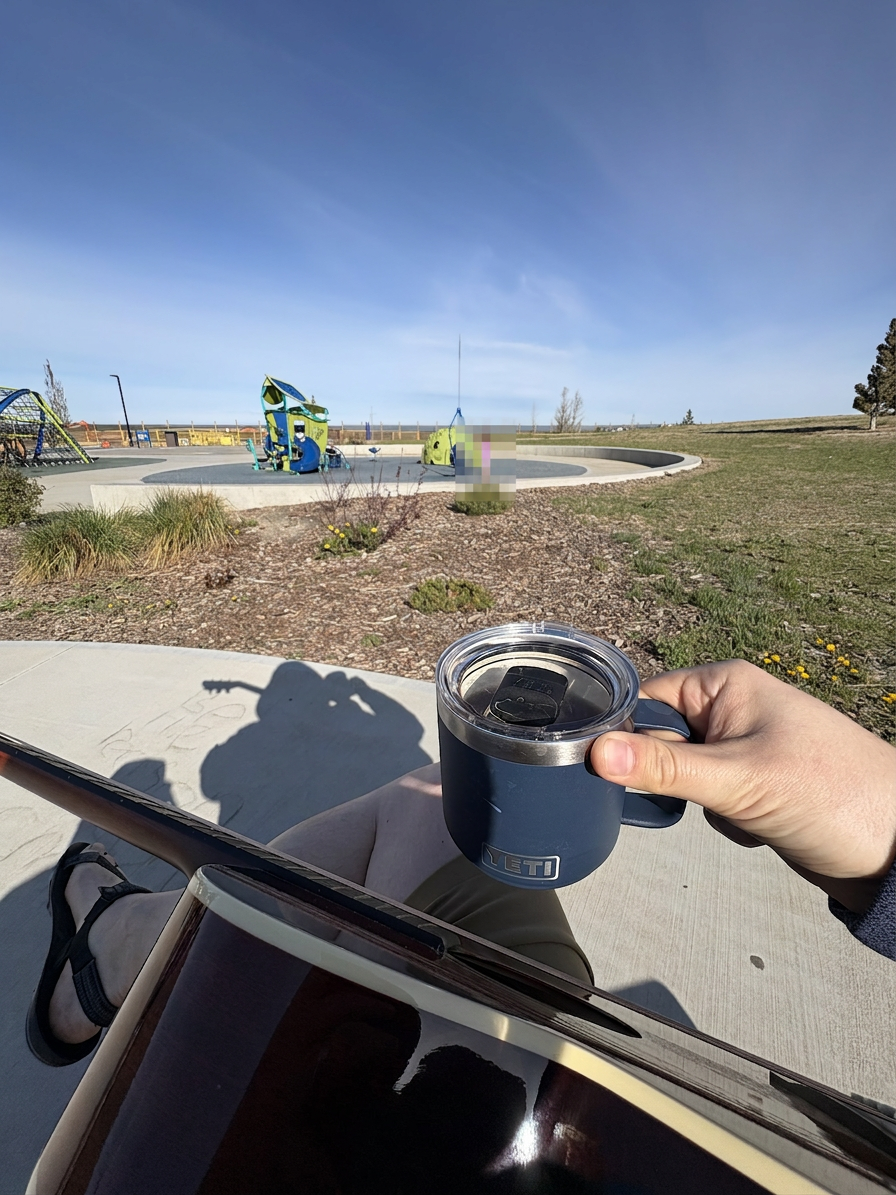
While writing this, I was drinking Nepal Gold Tips from The Cultured Cup ($21.95 for 56g). As mentioned, I steep this several ways, but my favourite is western style in my favourite mug.
- 4g of tea (experiment a bit to find your own preference)
- 12 oz of water 200*F
- Warm the mug with hot water first before steeping
- Steep for 4 minutes exactly
- Optional: I filtered the tea through a fine mesh strainer to reduce the tricomes, which can leave a chalky texture in your mouth.
I am not sponsored or compensated by The Cultured Cup, nor was I approached to review this tea.






Leave a comment